
How to Create an Adaptable Classroom Design with Polymorphic School Furniture
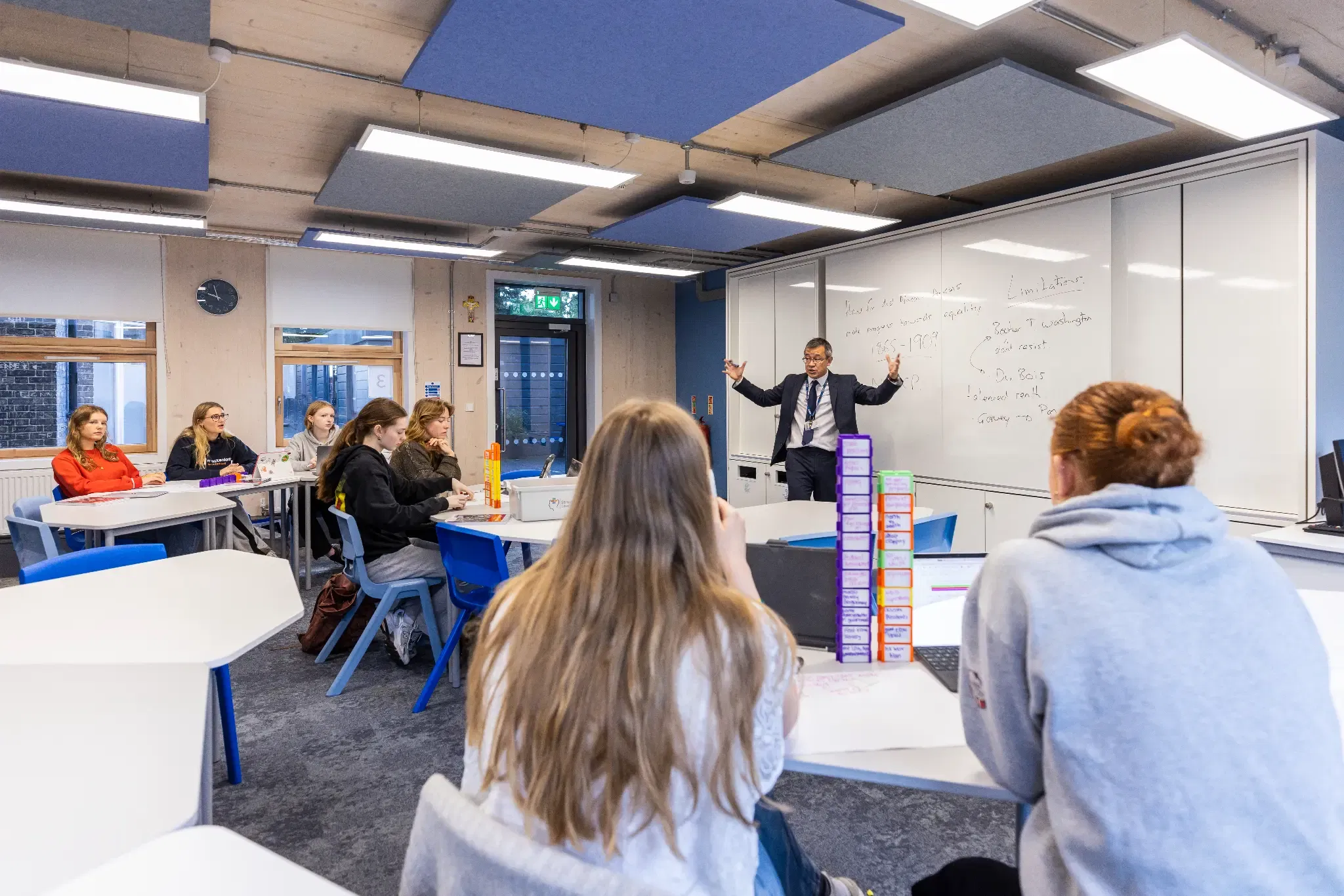
Walking into a classroom today should feel a lot different than it did twenty years ago. The days of heavy, wooden desks bolted to the floor — or even the slightly more modern "rows and columns" approach — are quickly fading.
As teaching methods evolve to include more collaborative projects, digital integration, and student-led inquiry, the physical space needs to keep up. That's where the concept of polymorphic school furniture comes in.
At Envoplan Furnish, we've spent years watching how students and teachers interact with their surroundings. We've seen that when a space can change its shape as quickly as a teacher can change the lesson plan, everyone wins. But what exactly does "polymorphic" mean in a school setting, and how can you use it to transform your school?
Let's dive into the world of adaptable design.
What is Polymorphic School Furniture?
You might be familiar with "modular" furniture — pieces that fit together like a puzzle. Polymorphic furniture takes that a step further. Derived from the Greek words poly (many) and morphe (form), polymorphic furniture is designed to exist in several different states or configurations.
It's not just about moving a desk; it's about a desk that can become a standing workstation, a tiered seating unit that doubles as storage, or a table that flips up to become a whiteboard. It's furniture that refuses to be just one thing.
By choosing pieces that have "many forms," you aren't just buying furniture; you're buying versatility. This is essential for modern academies and independent schools where space is often at a premium and every square metre needs to work hard.
Why Static Classrooms are a Thing of the Past
We've all seen it: a teacher tries to start a group discussion, but half the lesson is spent scraping heavy chairs across the floor and banging desks together. It's noisy, it's disruptive, and it kills the momentum of the lesson.
Static environments create a "one-size-fits-all" approach that rarely fits anyone. Research shows that student engagement and productivity are directly linked to their physical environment. When students feel they have a choice in how they work — whether that's standing up, sitting in a collaborative pod, or tucking away into a quiet corner — their motivation spikes.
Boosting Student Engagement
When a classroom is adaptable, the teacher can shift from a lecture style to a "breakout" style in under two minutes. This keeps students on their toes and allows for a more rhythmic, active learning experience. Polymorphic furniture supports this "active learning" by being lightweight, mobile, and intuitive to use.
Supporting Different Learning Modes
Every student learns differently. Some need silence and a dedicated surface to focus. Others thrive when they can bounce ideas off their peers. A polymorphic design allows both to happen simultaneously in the same room without one group distracting the other.
Key Features of a Polymorphic Classroom
If you're looking to upgrade your space, there are a few "non-negotiables" when it comes to furniture features. We focus on these during our specification phase to ensure the final result is as functional as it is beautiful.
- Mobility without the Mess: High-quality, lockable castors are a game-changer. They allow furniture to glide across the floor and then stay firmly in place once the new layout is set.
- Nesting and Stackability: When you need clear floor space for a drama activity or a physical experiment, polymorphic chairs and tables should "nest" or stack neatly out of the way.
- Multi-functionality: Look for tables with writable "dry-wipe" surfaces. Suddenly, the desk isn't just a place to put a laptop; it's a canvas for brainstorming.
- Ergonomics for All: Growth spurts are real. Polymorphic furniture often includes height-adjustable elements to ensure a Year 7 student is just as comfortable as a Year 11 student.
Designing Your Space: The "Zone" Strategy
Creating an adaptable classroom isn't just about buying new chairs; it's about thoughtful interior design. We recommend thinking in "zones" rather than rows.
The Instruction Zone
This is where the direct teaching happens. It usually features a focal point — like a digital display — but the seating should be able to pivot easily so students can see the board one minute and their partner the next.
The Collaboration Zone
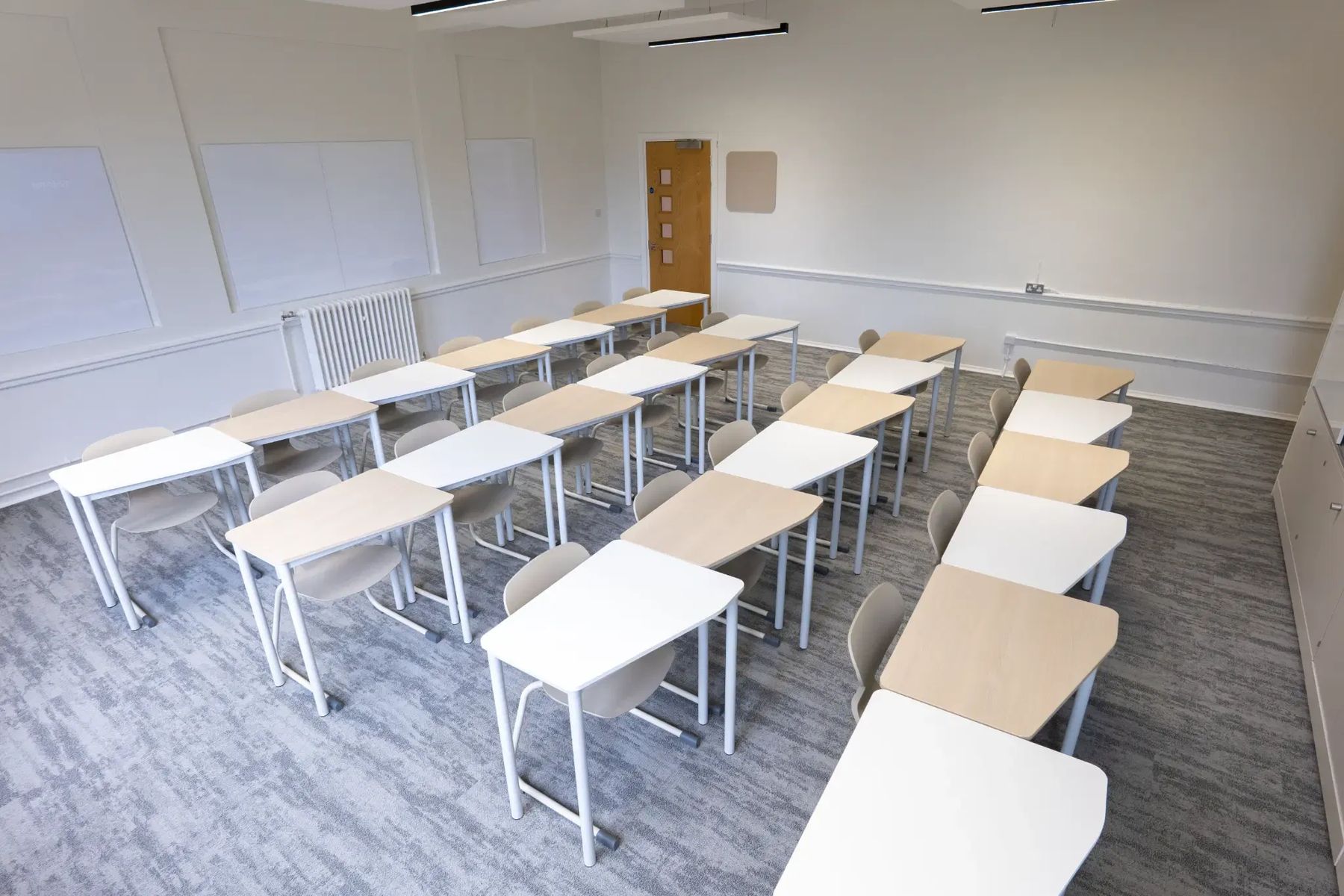
This is the heart of the polymorphic classroom. Use hexagonal or trapezoidal tables that can be pushed together to form large "campfire" groups or pulled apart for individual tasks.
The Quiet Zone
Even in a busy school, students need a place to reflect. Use acoustic screens or high-backed booth seating to create "nooks" where students can focus on independent study without feeling isolated from the rest of the class.
The Envoplan Way: A Turnkey Solution
We know that school leaders are incredibly busy. You don't have time to manage five different contractors and worry about whether the desks will arrive before the new term starts.
That's why we offer a complete turnkey service. We handle everything from the initial spark of an idea to the moment the last chair is placed in the room.
Step 1: Concept & Design
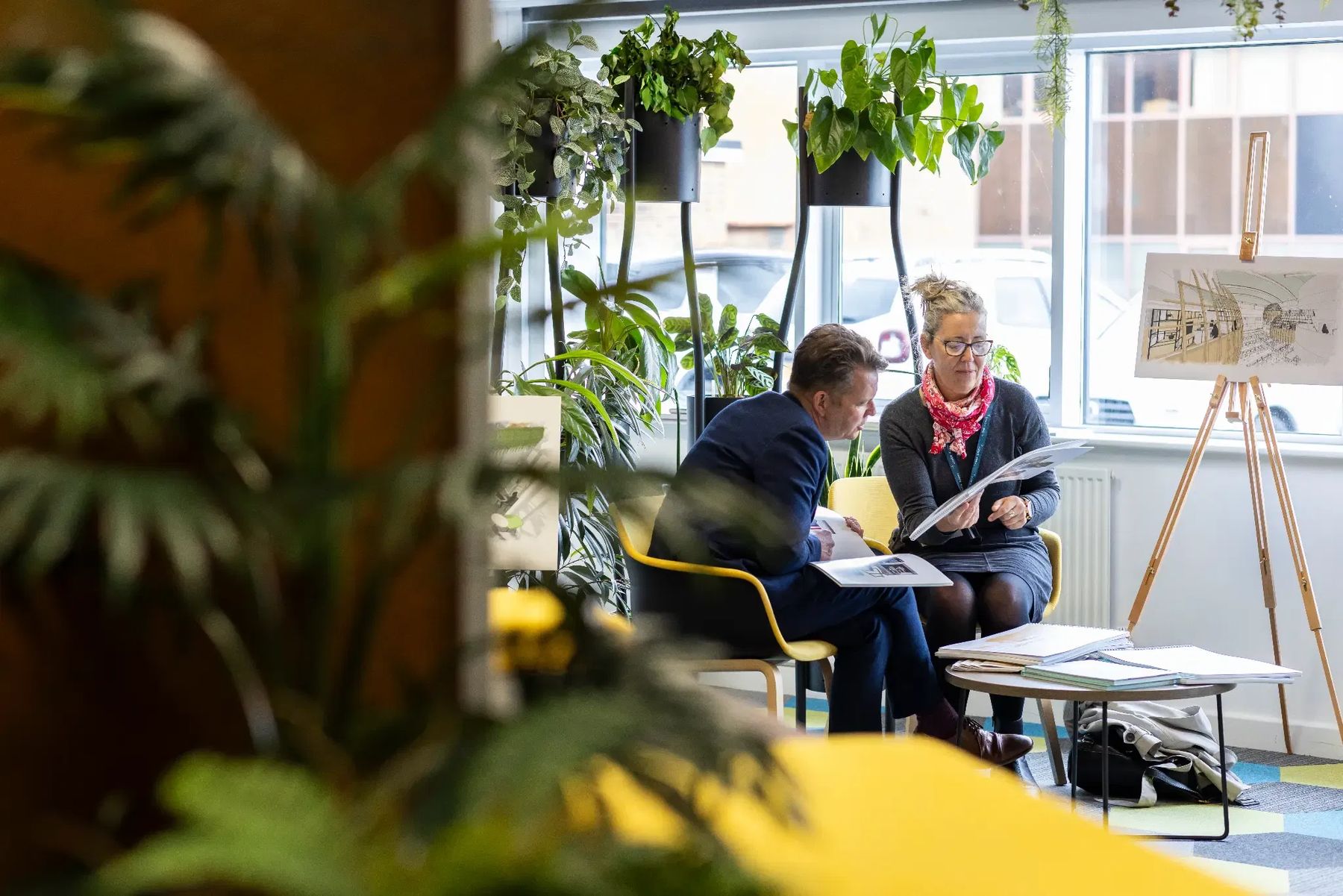
We start by listening. We want to know how your teachers teach and what your students need. We'll create 2D and 3D layouts that show exactly how polymorphic furniture will fit into your specific building.
Step 2: Specification & Manufacture
Once the design is locked in, we move to specification. We choose materials that are durable enough to withstand decades of school life while maintaining a sophisticated, modern aesthetic. Because we manufacture many of our pieces, we have total control over the quality.
Step 3: Seamless Installation
We understand the rhythm of the school year. Our teams work quickly and efficiently — often during half-terms or summer breaks — to ensure there is zero disruption to learning. We don't just "drop and go"; we install, test, and ensure every piece of furniture is ready for action.
Durability Meets Design
One of the biggest concerns we hear from project managers is: "Will it last?"
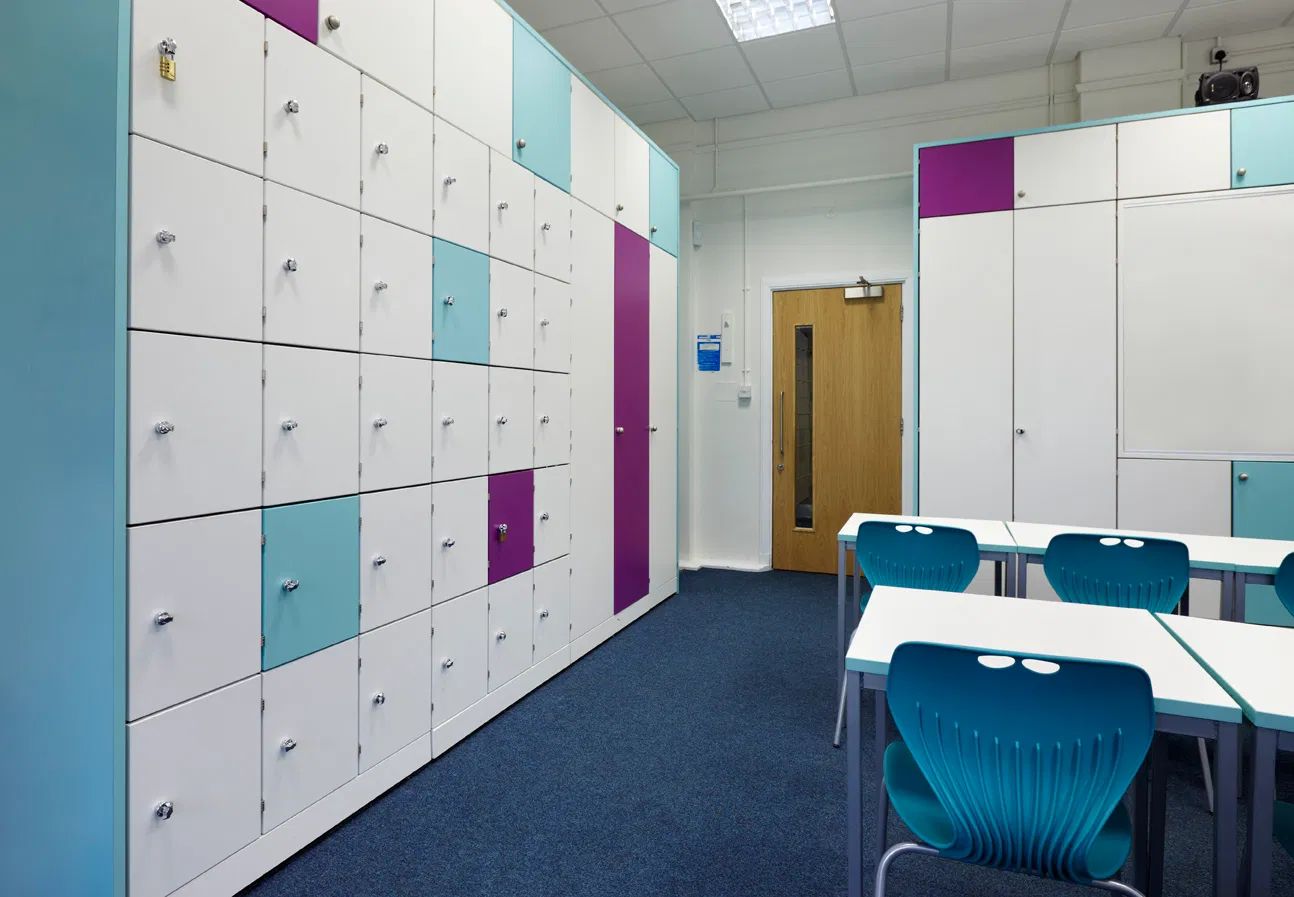
It's a fair question. School furniture takes a beating. However, "polymorphic" doesn't mean "flimsy." By using high-pressure laminates, reinforced steel frames, and heavy-duty castors, we ensure that our furniture is built for the long haul.
We believe that a school should look as professional as a modern corporate office. When students are surrounded by high-quality, thoughtful design, they tend to treat the space with more respect. It sets a standard of excellence that carries over into their work.
Creating Spaces Where Learning Thrives
At the end of the day, furniture is a tool. Just like a tablet or a textbook, it's there to support the educational journey. By choosing polymorphic school furniture, you're giving your staff and students the ultimate tool: the power of choice.
Whether you are planning a complete new build or just looking to refresh a single department, we are here to help you navigate the process. Our goal is to make the transition to an adaptable classroom as stress-free and exciting as possible.
Ready to transform your learning environment?
We'd love to hear about your project. Whether you have a clear vision or just a few initial questions, our team is ready to guide you through the latest in polymorphic design.
- Browse our latest designs: Take a look at our furniture catalogues for inspiration.
- Get in touch: Contact us today to discuss your requirements or to book a consultation with one of our design experts.
Let's create a space where your students can truly thrive. Reach out to us, and we'll get back to you within 24 hours to start the conversation.